Create and manage financial statements
10 videos in this learning module
Add a financial statement
Edit a financial statement
Map accounts to a group
Customize columns
Manage streams and scenarios
Reference a single account code in calculations
Set up your Trial Balance statement
Bring statistical streams into a Financial Statements database
Combine statistical and financial data for better business insights
Add a custom calculation to your Income Statement


10 videos in this learning module
Add a financial statement
Edit a financial statement
Map accounts to a group
Customize columns
Manage streams and scenarios
Reference a single account code in calculations
Set up your Trial Balance statement
Bring statistical streams into a Financial Statements database
Combine statistical and financial data for better business insights
Add a custom calculation to your Income Statement
Add a financial statement
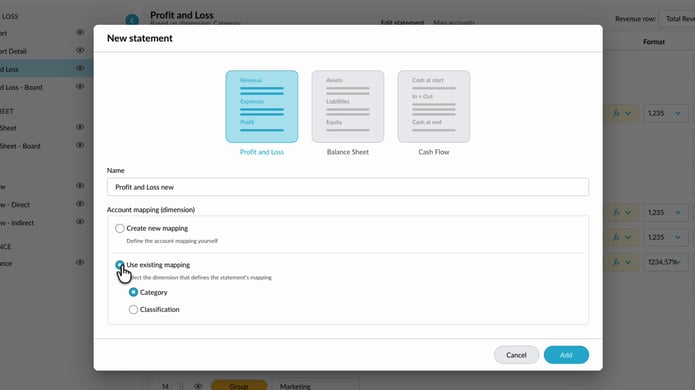
Learn how to add a new financial statement in Financial Statements, either from scratch or by duplicating an existing one. You'll choose the statement type, name it, and create or reuse an account mapping. Duplicating copies the structure and mappings, so you can make changes without affecting the original.
Supporting documentation
Edit a financial statement
Learn how to edit a financial statement so its layout and formatting match your reporting needs. You'll add groups and calculations such as gross margin, arrange rows, apply formatting and performance indicators, choose the revenue row for percent revenue analysis, and build the database so your changes take effect.
Supporting documentation
Map accounts to a group
Learn how to map accounts to groups in Financial Statements so each account appears in the correct section of your statement. You'll search, filter, and sort the account list, map several accounts at once, hide mapped accounts, and rebuild the database to apply your changes.
Supporting documentation
Customize columns
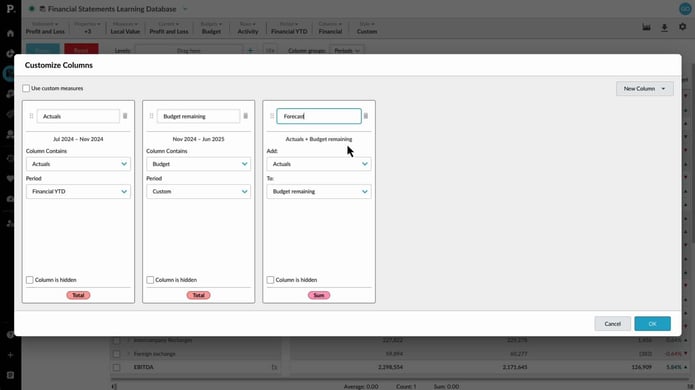
Learn how to add, rename, and hide total, sum, and variance columns, each with its own data stream and period. For example, combine actuals with the remaining budget to build a forecast, then compare it with your full-year budget. Save the result as a custom layout, favorite, or dashboard item.
Supporting documentation
Manage streams and scenarios
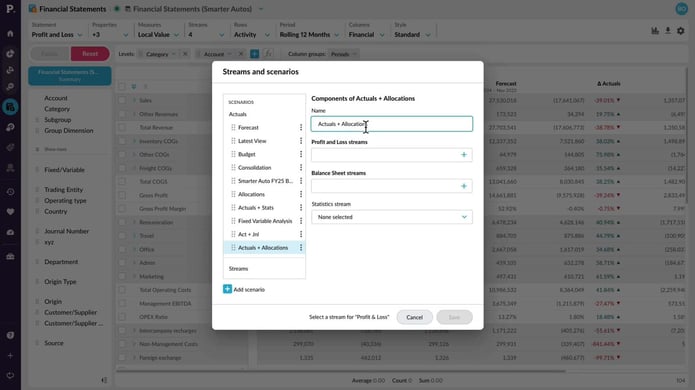
Learn how to use Manage Streams and Scenarios, also known as Combined Streams, to control which data appears in your statements. You'll set the default stream order for all users, create a scenario that combines streams such as actuals and allocations, and hide streams you rarely use.
Supporting documentation
Reference a single account code in calculations
Learn how to use the ACC function to build calculations that reference individual accounts in a Financial Statements statement. For example, you can add gross profit and gross profit percent for online sales only, so you can compare different sales channels and cost of sales channels.
Supporting documentation
Set up your Trial Balance statement
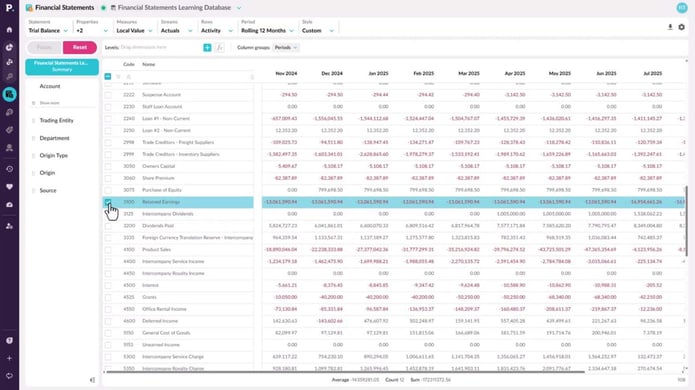
Learn how to set a financial year end date so your Trial Balance shows the right closing balances. Profit and Loss accounts show the balance since the start of the year, while retained earnings exclude current-year movements. You can also add levels or column groups to see each trading entity.
Supporting documentation
Bring statistical streams into a Financial Statements database
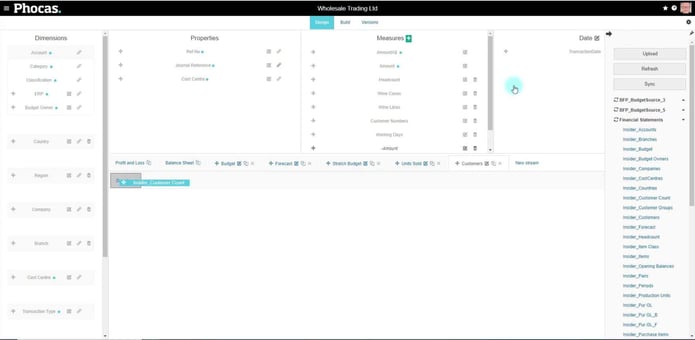
Learn how to add statistical streams to a Financial Statements database in Designer so you can include non-financial information, such as units sold or customers, alongside your financials. You create each stream, mark it as statistical, assign a sync item, map the values, and build the database.
Supporting documentation
Combine statistical and financial data for better business insights
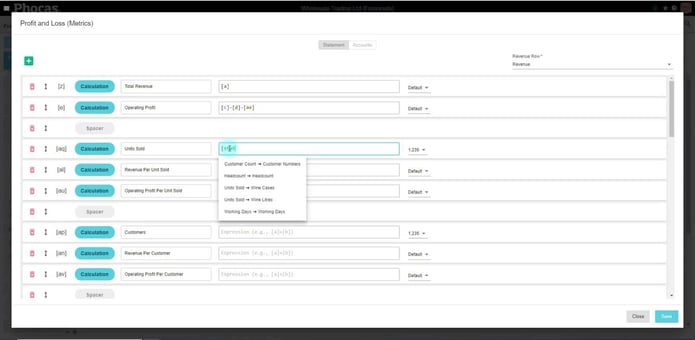
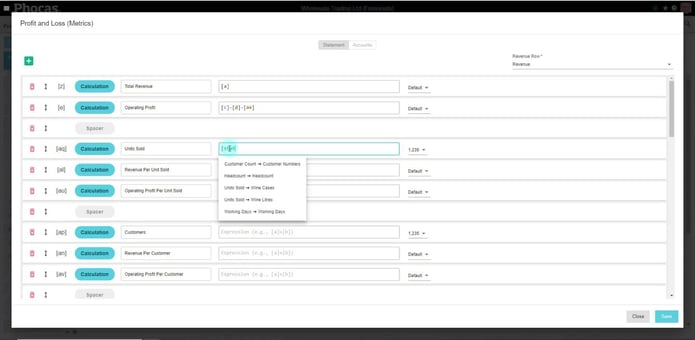
Learn how to use statistical streams in Financial Statements calculations with the STAT and AVG functions. STAT adds values over time, while AVG averages them, so you can calculate revenue per unit sold or operating profit per customer and compare performance across business entities.
Supporting documentation
Add a custom calculation to your Income Statement
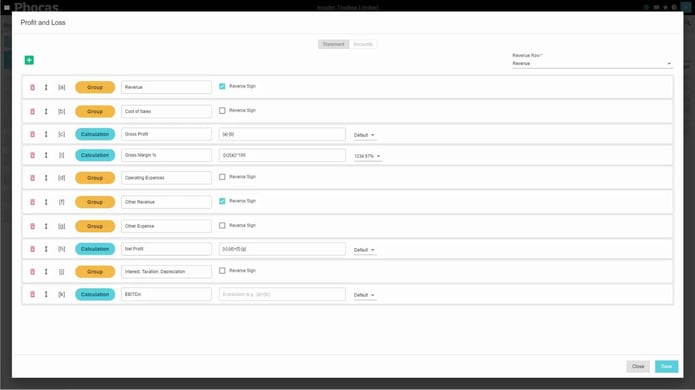
Learn how to add an EBITDA calculation to your Income Statement in Financial Statements. You create an Interest, Taxation and Depreciation group, assign accounts to it, and add the calculation. Then you update net profit so it reflects the new layout, and rebuild the database to see the result.
Supporting documentation

Related learning modules
 Financial Statements
Get started with Financial Statements
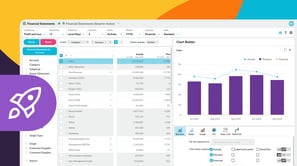
This module for beginners helps you get started in Phocas Financial Statements. Learn about the grid, layouts and charts and how to add a favorite view to your dashboard.
 Financial Statements
Explore and analyze financial information
 Financial Statements
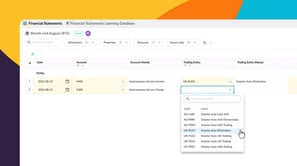
Add data to your financial statements
 Financial Statements
