True omni-channel operations ensure that customers have the same seamless experience regardless of where they purchase. This means customers can buy anywhere and have it shipped or picked up anywhere – click and collect, buy in-store, buy on social media link or buy in one mortar store and pick up in another. Speed and transparency are crucial, with systems needing to provide live data and identical pricing across all channels to be truly omni-channel.
However, achieving this is often easier said than done. POS and ERP systems are frequently on different platforms to e-commerce systems, leading to complications matching promotions across channels. The returns process also needs to be streamlined, allowing customers to return products in any way they prefer. Consistency is key, whether customers need a receipt or can access their customer file at any multichannel location.
A live feed from all warehouses and stores that tracks inventory accurately is essential for true omni-channel operations. Additionally, the ability to reserve stock in the system and physically reserve it internally is necessary. Retail staff must be aware of stock levels to avoid selling products that are not available.
From a physical standpoint to have an omnichannel approach, stores need space and resources to pick and pack orders, including areas to collect, wrap, and label products for shipment. Access to the shipping system is also necessary to track shipments. Gift cards and loyalty cards should be integrated with all systems to be live and searchable immediately, allowing customers to use them across various channels seamlessly.
Omnichannel strategy and customer experience
An effective omnichannel strategy integrates in-store, e-commerce, third party sites like amazon and mobile app touchpoints to create a cohesive customer journey. This approach ensures that customers can interact with the brand through their preferred channels, whether shopping online, visiting in-person, picking up in-store, or browsing on a mobile device. A seamless customer experience across all channels boosts customer satisfaction and loyalty.
Supply chain and inventory management
A robust end-to-end supply chain is critical for supporting omnichannel retail. Real-time inventory management systems help track stock levels across different channels, ensuring products are available where and when customers need them. Automation and optimization of the supply chain enhance efficiency, reduce costs, and improve customer satisfaction by minimizing stockouts and delays.
Optimize stock
Watch now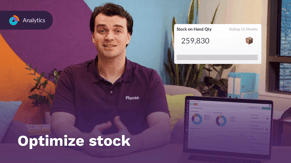
Omnichannel retail and marketing
Omnichannel retail involves integrating physical stores with digital channels to provide a unified shopping experience. Consistent pricing, promotions, and messaging across all touchpoints are essential in the ecosystem. Omnichannel marketing leverages customer data to deliver personalized experiences, enhancing customer loyalty and brand experience. By understanding customer preferences and behaviors, retailers can target their communication and offers to meet customer expectations.
Omnichannel challenges and opportunities
The shift to omnichannel commerce presents both challenges and opportunities. Retailers must navigate issues such as demand fluctuations, lead time disruptions, and excess inventory. Advanced technologies and data analytics like Phocas Analytics can optimize operations and enhance profitability. The pandemic accelerated the adoption of omnichannel strategies, highlighting the importance of making the user experience adaptable and scalable in a rapidly changing retail environment.
Optimizing safety stock and embracing omnichannel operations are crucial for retailers. By integrating various channels and leveraging technology, businesses can provide a seamless omnichannel customer experience to improve efficiency and drive growth. Managing data across your business and implementing your retail strategy can be simplified with tools like Phocas, which help retailers and suppliers streamline their operations and enhance customer satisfaction.
Data-driven inventory optimization eBook
Download now


Katrina is a professional writer with a decade of experience in business and tech. She explains how data and AI can work for distribution professionals and finance teams without all the tech jargon.
Related blog posts




Browse by category
Find out how our platform gives you the visibility you need to get more done.
Get your demo today