Set defined periods for a database
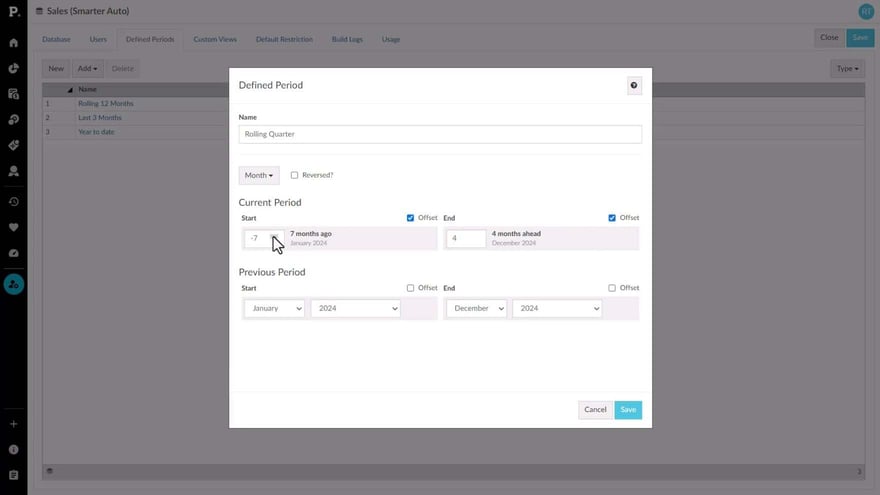
Learn how to manage database periods as an administrator by opening Databases and the Defined periods tab. You can add a predefined period from the common list or create your own, such as a rolling quarter based on offsets from today's date. Once you save at the database level, the period is available to everyone who uses that database.
Supporting documentation


Related video tutorials
 Platform
Manage default database restrictions
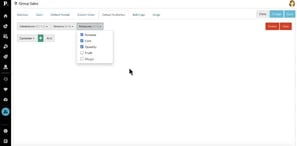
Learn how to set default restrictions that control which data people can see in a database. You choose which dimensions, streams, or measures to restrict, for example deselecting Profit and Margin in the Group sales database, and that becomes the default access when no other restrictions are set. The Databases list then shows the restriction applied.
 Platform
Add a defined period using Dynamic Month option
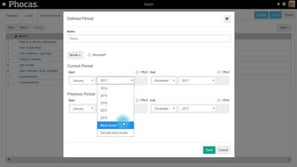
Learn how to define a default period in a database's Defined periods tab using the Dynamic Month option, which replaces the year with Most recent or Second most recent. You set a current period from the first month of your financial year to the current month, then a previous period for comparison. The new period appears in the list and updates automatically each year.
 Platform
Add a defined period using Special Offsets (days)
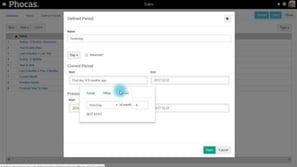
Learn how to add a defined period in a database's Defined periods tab using the special offset option, which is only available for days. You set the current and previous period start and end points by choosing Match yesterday with a month offset of zero or minus one, so you can compare yesterday's sales with the same day last month.
 Dashboards
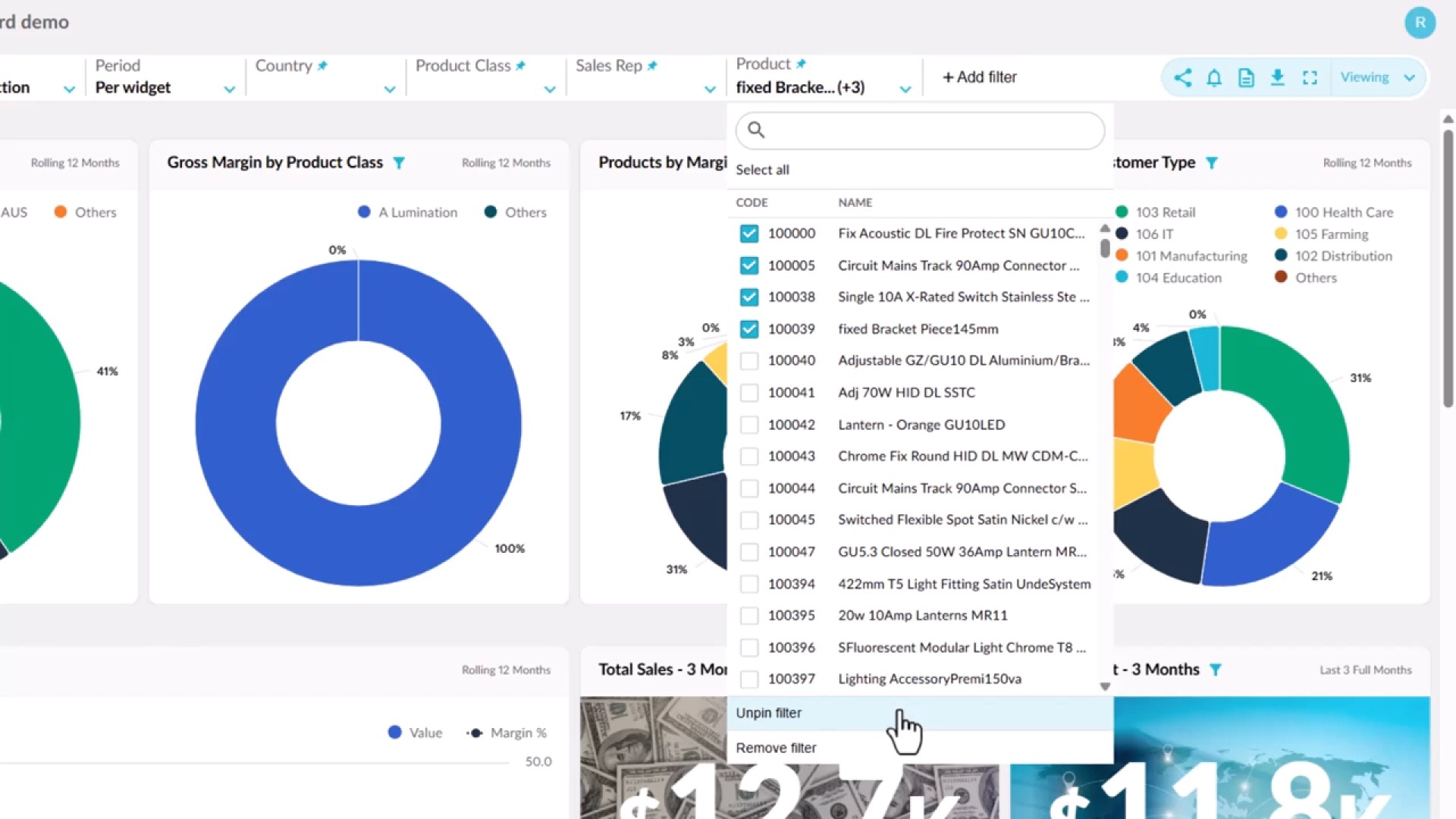
Filter your dashboard
Learn how connected widgets highlight the same entity across a dashboard, and how Focus filters everything down to your selection. You'll add and pin your own filters, see which widgets respond to them, and apply a single period across every widget, then use Reset to return to the default view.