The future of analytics and financial reporting
Transition from static, manual planning to dynamic, company-wide planning, reporting and analysis.
Watch now
In today’s rapidly evolving financial landscape, the role of finance is shifting from a traditional, transactional function to a strategic partner, vital for driving business decisions. The transition from static to dynamic reporting is essential for empowering managers and decision-makers with the timely, accurate information they need.
In this session, we will cover:
- Finance as the New Strategic Partner: How finance is evolving beyond just crunching numbers to leading business strategy.
- Shifting from Static to Dynamic Reporting: The benefits of moving away from outdated reporting methods to real-time, actionable insights.
- Empowering Managers with Information: Providing key stakeholders with the tools they need to drive performance and make informed decisions.
- A Centralized Source of Truth: Ensuring everyone in the organization has access to accurate, up-to-date financial data.
- Combining Operational and Financial Data: Leveraging both types of data to solve business challenges and accelerate decision-making.
Join us to discover how you can free your finance team from the grind of static reporting and instead equip them with the tools to lead your organization with data-driven insights.
Presented by


You might also like
View all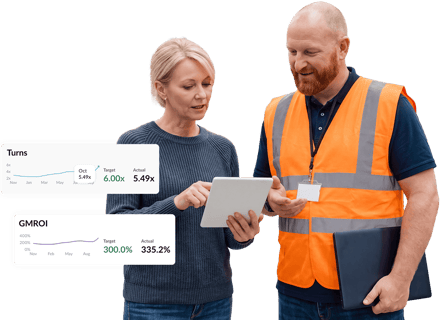
Stock Insights: for confident inventory decisions
An exclusive first look at Stock Insights. See exactly what's tied up in dead stock, where risk hides in your best sellers, and how to negotiate with vendors on equal footing.
Taking control of your rebate program
Rebate programs are supposed to drive growth. Too often they've quietly become a spreadsheet nobody fully trusts. Get the numbers right, and rebates start paying off again.
Freeing the cash hiding in your warehouse
Slow-moving inventory isn't just a warehouse problem. It's cash your business can't use anywhere else. Find out how to unlock it.
Reporting from boardroom to branch
Your board wants the big picture. Your regional managers want to know how their area is performing. Your branch managers want to only see their own data. Keep everyone happy with one report, not three.
